
US Department of Defense Invests $566 Million in NSW Regional Town Scandium Mine
The US Department of Defense is providing $566 million in conditional loans for scandium mine development in Fifield, near Parkes in NSW. Scandium is a critical mineral used in next-generation fighter jets and AI data center power supply, and the US is securing alternative supply chains as China has imposed export restrictions.
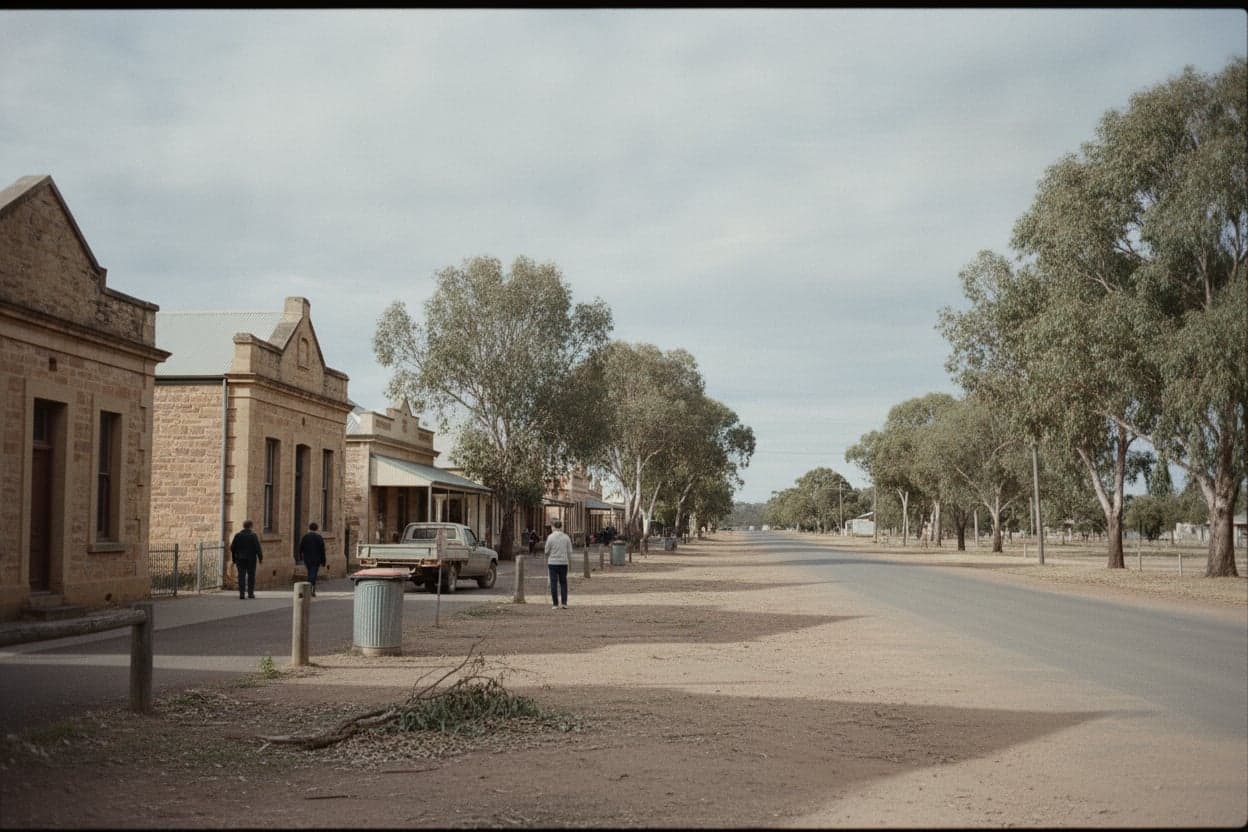
Population 130 Town Becomes Strategic Hub
Fifield, a small town six hours west of Sydney with 130 residents according to the 2021 census, has become the focus of US strategic investment. The US Department of Defense has agreed to provide a conditional loan of US$400 million, approximately AU$566 million, to Australian company Sunrise Energy Metals, which is developing a mine in the area. This project is expected to be the first operation outside China to supply scandium at commercial scale.
Why Scandium is Attracting Attention
Scandium is a metal designated as a critical mineral by both Australia and the United States. It is used in manufacturing ultra-high-strength alloys for modern fighter jets and is required for solid oxide fuel cells that provide stable power to AI data centers.
According to US Geological Survey statistics, global scandium consumption in 2025 will be only 60 tons, indicating a small market. However, increasing defense spending in North America, Europe, and Asia, combined with the AI data center investment boom, is driving up demand. Additionally, China's rare earth export restriction measures have led to ongoing supply shortages and price increases. China's export controls are interpreted as attempts to maintain dominance over critical mineral supply chains and constrain US defense and industrial capabilities.
World's First Dedicated Mine
Because scandium occurs naturally only in trace amounts, it has until now been produced only as a byproduct of nickel or titanium processing. The Sunrise Energy Metals project has sufficiently high scandium concentrations to become the world's first dedicated scandium mine.
According to company plans, by 2028 it will produce 60 tons annually of high-purity scandium, enough to meet all current global demand. The company has stated that future production scale could potentially increase to 120 tons per year.
Risk of Chinese Price Pressure
The US government has secured priority purchasing rights for Sunrise Energy Metals production through this agreement, with production scheduled to begin at the end of 2028.
However, there are risk factors for project profitability. While scandium prices remain high as long as China maintains export restrictions, China could at any time lift restrictions and flood the market with low-priced scandium, pressuring Sunrise Energy Metals' profitability. China has previously used the same approach in the lithium market to undermine the economic viability of Western mines.
Other rare earth projects face the same risk. Earlier this year, the US Department of Defense set a price floor in a US$96 million contract with Australian mining company Lynas to protect the company from price collapse.
The Department of Defense support is a loan that must be repaid with interest and must meet multiple conditions, including construction of a military-grade scandium compound refining facility in the United States. Considering the substantial initial investment required for small-scale metal production and the threat of low-cost Chinese supply, the investment risk is clear.
Need for Long-Term Support
The NSW state government has agreed to defer royalty payments for five years. However, as long as China retains the capacity to flood markets with low-priced critical minerals like graphite, gallium, and scandium, such projects remain vulnerable to price collapse.
The author, Robert Monteroso, is a researcher in the Economic Security Program at the United States Studies Centre. He has no employment, consulting, equity, or funding relationships with companies or organizations that would benefit from this project, and has disclosed no interests beyond his institutional affiliation.
Sources
This article summarizes publicly available news as of its publication date. Visa and migration settings can change without notice. Confirm the latest rules through the cited sources or a consultation before acting.